
HSC WELLBEING TIPS: Fuel, Move, Rest, Light
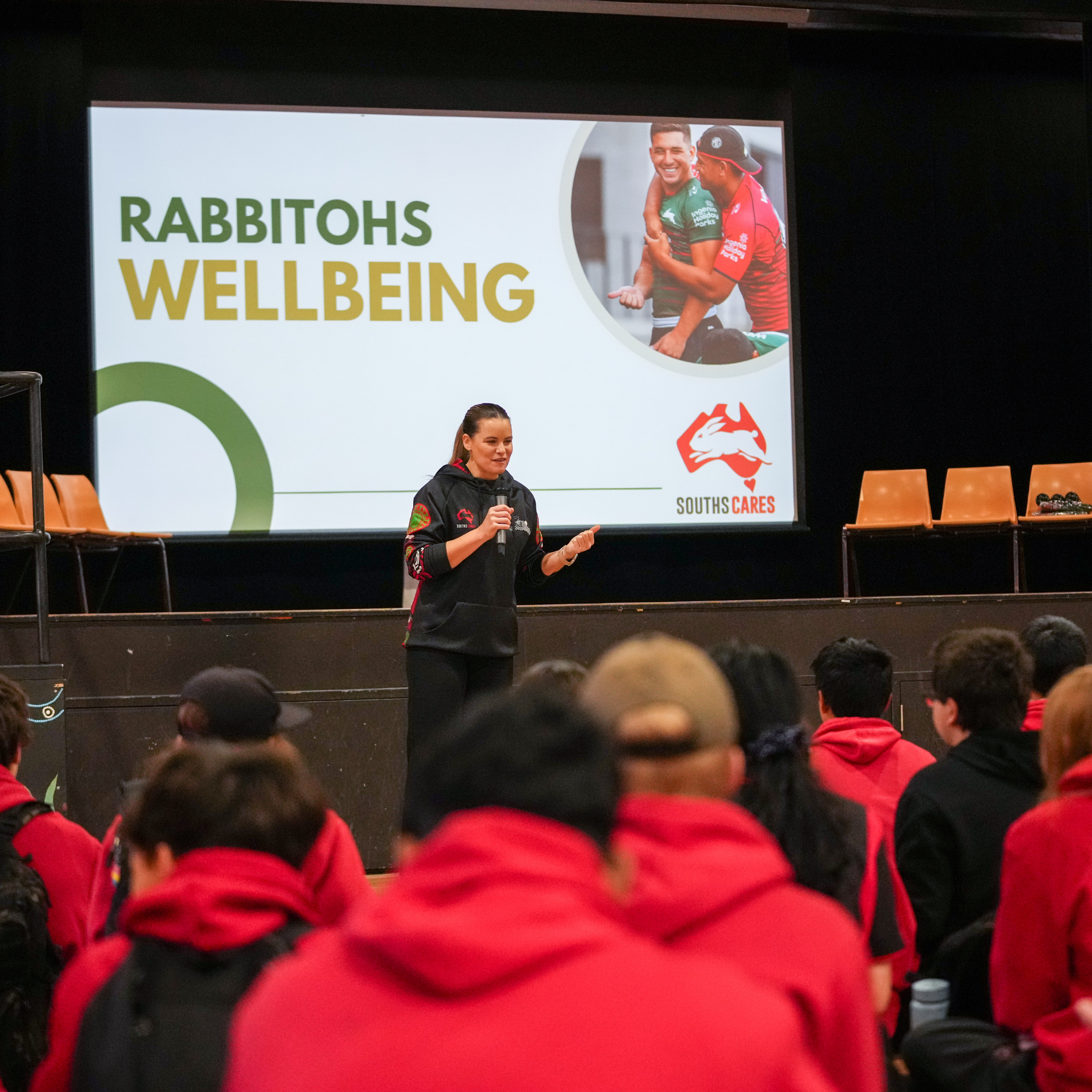
As NSW students enter the second week of the HSC, it’s more important than ever to support overall health and wellbeing. Long hours of study, disrupted sleep and increased stress can take their toll not just on motivation, but also on concentration and memory. To help students stay sharp and balanced through the final stretch, the Rabbitohs Wellbeing Team have put together a guide on how to fuel your body, move your muscles, rest your mind and soak up some light to get the best out of both body and brain.
FUEL: BALANCE IS KEY
When you’re deep in study mode, your brain needs the right fuel to perform at its best. That means eating a mix of complex carbohydrates, protein, healthy (unsaturated) fats, and plenty of vitamins and minerals.
Complex Carbs
Your brain runs on glucose and complex carbohydrates provide a steady supply without the sugar crash. Choose whole grains, oats, or brown rice for long-lasting energy. These foods are higher in nutrients and fibre, helping you stay full and focused.
Protein
Protein keeps you satisfied for longer and helps your brain produce neurotransmitters, the chemicals that regulate sleep, mood and focus. It also supports enzymes involved in memory and problem-solving.
Healthy Fats
Healthy, unsaturated fats such as those found in avocado, nuts, and olive oil boost blood flow to the brain and assist the production of neurotransmitters responsible for learning and memory.
Vitamins & Minerals
“Eat the rainbow” isn’t just a saying colourful fruits and veggies deliver antioxidants that support sleep quality, focus and mood. Berries, in particular, are great for brain health.
Snack Ideas:
- Rice cakes with avocado and tuna or chicken
- Sliced apple with nut butter and hemp seeds
- Boiled egg on toast with avocado and tomato
- Greek yoghurt with oats or muesli + chia seeds
- Mini wholegrain wrap with chicken or tuna, salad and hummus
MOVE: WAKE UP YOUR BODY AND YOUR BRAIN
Exercise doesn’t just keep your body fit, it sharpens your mind.
Aim for at least 30 minutes of moderate-intensity movement each day, whether it’s a quick gym hit, a light jog or a HIIT session.
Moving regularly increases blood flow and oxygen to your brain, which boosts alertness and concentration. It also reduces muscle tension and stiffness from long study sessions. Morning workouts can help lift mood and energy levels, but the best time to move is whenever you’ll stick with it consistently.
REST: SLEEP MAKES THE DIFFERENCE
When it comes to memory and learning, sleep is your secret weapon. During deep sleep, your brain transfers information from short-term to long-term memory, meaning what you studied today sticks better tomorrow. Sleep also allows your body to repair cells, balance hormones and restore energy levels. Without enough quality rest, focus and decision-making quickly drop off.
Tips for Better Sleep:
- Aim for 8–10 hours per night
- Switch off screens at least an hour before bed
- Keep a consistent bedtime routine
- Fuel and move well during the day to support quality sleep
LIGHT: YOUR DAILY DOSE OF FOCUS
Getting natural sunlight each day has powerful physiological effects. Sunlight triggers the release of serotonin, which boosts mood and focus, and helps regulate your circadian rhythm; your body’s internal clock that controls sleep and wake cycles.
Exposure to sunlight also increases vitamin D production, which supports energy levels, brain function and immune health. Low vitamin D levels have been linked to fatigue and reduced cognitive performance.
Try to get 20 - 30 minutes of sunlight daily, ideally in the morning or early afternoon, to keep your mood steady and your brain primed for study.
BEWARE: THE SUGARY SNACK TRAP
When the pressure’s on and energy levels dip, it’s easy to reach for highly processed sugary snacks or drinks, things like chocolate bars, lollies, soft drinks or energy drinks for a quick pick me up. But while they might give you a short burst of energy, the crash that follows can leave you feeling even more tired, distracted and irritable. These foods flood your bloodstream with simple sugars, causing a rapid spike in blood glucose followed by a sharp drop. That sudden drop known as a sugar crash reduces concentration, slows reaction time and can make it harder to stay focused during study sessions or exams.
Over time, relying on processed snacks also impacts your overall health. They’re often low in nutrients and high in additives, offering little long-term fuel for your brain. High sugar intake has been linked to poor sleep quality, mood swings, and fatigue - all of which make studying harder, not easier.
In short, ditch the sugary quick fixes. Your brain will thank you with sharper thinking, better concentration and steadier energy throughout your HSC.
As you power through the second week of the HSC, remember — success isn’t just about how much time you spend studying. It’s also about how well you fuel, move, rest and recharge.
Erin Geddes – Health and Wellbeing Program Coordinator.“Physical health is not just about being fit or strong, it’s foundational to how well you learn, focus and retain information. When students eat well, move regularly and sleep enough, their brains literally function better. They’re calmer, more focused, and better equipped to tackle the challenges of the HSC.”
Skip the quick fixes and focus on sustainable habits that keep your brain and body performing at their best. The Rabbitohs Wellbeing Team are cheering you on every step of the way - because a healthy mind and body are your ultimate advantage this exam season.


